Product Photography is an essential element of marketing, and it directly affects how consumers perceive the quality of a product in Greenville. The quality of photos can determine the success or failure of the likelihood of a sale, since people usually evaluate a product by the image they see on the internet or in catalogs. In this digital age and e-commerce, where e-commerce is at the forefront of all things digital, having high-quality photographs of products is essential to brands and businesses. This article explores the significance of photography to showcase products as well as the strategies that are involved, and how it can help increase customer engagement.
The Role of Product Photography in E-Commerce
Product photography in e-commerce is the main visual tool that helps customers make informed decisions. As there is no physical interaction with the product, customers entirely depend on pictures to estimate the quality, features, and overall attractiveness. For businesses, this signifies that every image must be able to convey not only the product’s features and textures, size, but also its functionality. A poorly taken photo can make a false impression of the product. Hence, customer dissatisfaction and returns can follow along with negative reviews.
Firstly, the significance of a top-notch photograph for products is to give a truthful portrayal of the goods, but it is also to communicate a feeling of trust and professionalism. When shoppers are able to see sharp, exact and appealing pictures, they will make up their minds to purchase with more confidence. This is the reason why professional product photography is now essential for retailers on the internet, regardless of the sector of business.
Techniques for Capturing Effective Product Photographs
To create great images of your product, it is more than just a camera with good quality. Different techniques and best practices aid photographers in creating high-quality photos that highlight the top qualities of their camera.
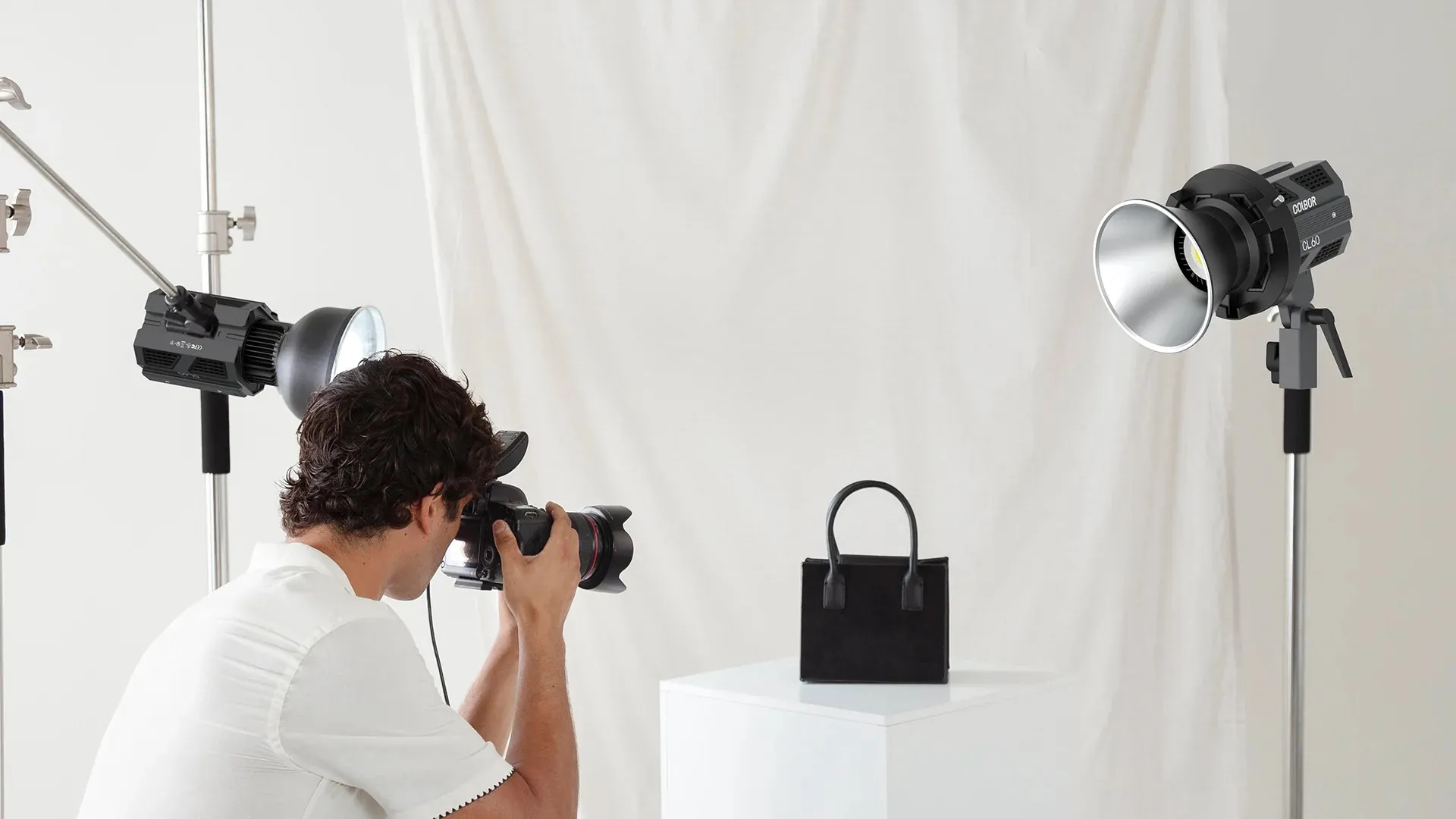
Lighting is a vital element when photography. Proper lighting will ensure that your product is properly lit by minimizing shadows and highlighting the most important aspects. Light that is soft, diffused is typically used for product photography since it creates a consistent, smooth, and seamless appearance, without glaring reflections or harsh shadows. Professional lighting, or natural lighting setups such as soft-boxes or rings, are frequently used to create this style.
Another crucial aspect to consider when photographing items is their background. Backgrounds should not serve as a distract from the product. A simple, neutral background, like the white background or lighter-colored ones, will keep the focus just on the item. In some cases, choosing background materials that complement the design of the product, such as wood, fabric or textured surfaces, can increase the appeal of the product and provide some context.
The angle that is taken from the spot in which the item is photographed is crucial. Different angles can be necessary for showing different features of the product. By way of illustration, if you intend to bring the eye to the details like stitching, branding, or texture, close-ups can be very powerful, while wider shots can help you to reveal the whole thing. It gives the customer an accurate idea of the size and how it will fit into their life.
The Impact of Product Photography on Consumer Behavior
The modern consumer is drastically different in a visual sense from the one from a few years ago. Studies show that product images have a direct and strong influence on purchasing decisions. In fact, 93% of consumer communication is visual, and customers are more likely to engage with products that have high-quality images. On online marketplaces, products with professional photos have a better chance of getting visibility in a highly competitive market.
On top of that, outstanding product photography is the main factor that brand identity changes and the brand identity branding formation the brand identity of the brand. In addition, it makes sure that the product images are in line with the company’s values and aesthetics, which in turn results in a cohesive online presence. For instance, a luxury brand usually features the use of a plain background, trendy lighting, and sophisticated designs that reflect the high quality of its products. On the other hand, brands aimed at younger, less discerning consumers may choose vibrant colors, bold compositions and lively pictures that are appealing to their intended consumers.
The Importance of Post-Processing in Product Photography
Post-processing or photo editing is a vital component of product photography. If the shot is not perfect, the editing gives the photographers the ability to elevate the visual quality of their art and also to ensure that their pictures are of the highest quality. Post-processing is basically changing the exposure, color correction, removing imperfections, and increasing the sharpness.
Maintaining the balance of post-processing is very important. By editing, the product can be made more attractive, but the actual product should not be changed. If editing is done incorrectly, customers may feel disappointed when the product does not meet their expectations at the time of delivery.
The Bottom Line: Investing in Professional Product Photography
After all, product photography is an essential tool for the growth of a company’s online presence. High-quality images aid in building trust with consumers and help convey the product’s features and advantages, and help to encourage buying decisions. As the competition in the digital marketplace grows and the need for high-quality product photography by professionals is not a luxury but an essential for companies looking to be successful in the world of e-commerce.
For companies, this requires hiring experienced photographers who know the nuances of lighting composition and post-processing. In this way, they can ensure their products are portrayed in the most professional manner and ultimately resulting in higher engagement as well as conversion rates and overall customer satisfaction.
Lifestyle Photography: Capturing the Real-Life Moments of Life with Authenticity
Photography is an art form that is focused on taking pictures that tell a story. Lifestyle Photography differs from conventional portrait photography, which mainly revolves around formally posed and styled subjects, by focusing on capturing real-life events that are usually set in an informal/natural environment in NYC. The style of photography utilized in this genre is extensively adaptable, thereby covering the advertising and marketing industry, family portraits, as well as private photography. Essentially, lifestyle photography seeks to present real emotions, everyday interactions, and off-the-cuff moments, which not only show the authenticity but also give the sense of being connected.
The Core of Lifestyle Photography
Lifestyle photography is about visual storytelling. Instead of scenes being carefully staged, the photographers aim to find those unplanned, natural, and spontaneous moments. What makes this form of photography stand out is that it portrays not only the personality of the subject but also their surroundings. Most of the time, the end result is an intimate and personal experience, which is less frequent in studio photography.
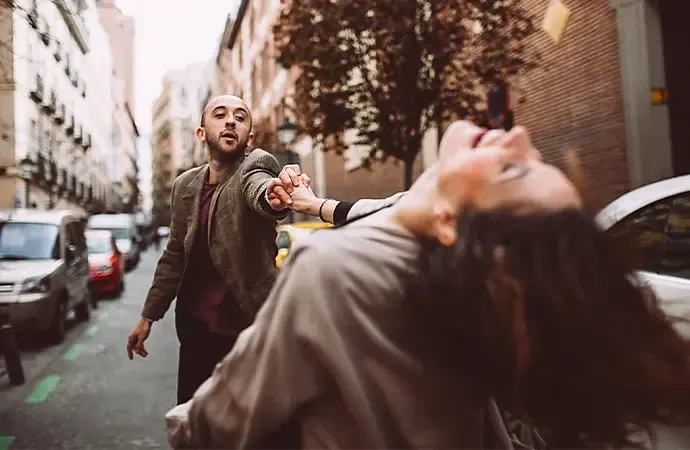
This photography style portrays individuals in their routine natural surroundings, whether it be in their homes, outdoors, or at work. The ultimate goal is to create an image that catches the viewer’s eye and makes them feel a connection with it. The emphasis is not on perfection but on showcasing the beauty of the most mundane things, such as a family laughing and enjoying their day off or a couple walking or reading a book in a snug corner.
The Role of Natural Light in Lifestyle Photography
One of the main components of a successful lifestyle photograph is using natural light. This kind of illumination is able to take the picture to the next level of a neat, soft and natural style, which is the characteristic feature of the reality of the moment. Compared to studio lighting, which can seem fake, natural light has a certain charm of warmth, and it penetrates the photos to a greater extent, making them look brighter and more colorful, which is a characteristic feature of living things.
There are infinite variations of moods that one can come up with depending on the time of the day, the weather and the place, and this is because natural light of the day is not always the same. The early mornings and the late afternoons, also known as the “golden hour,” provide soft, warm lighting that highlights the subject’s features and creates an inviting ambience. Days with overcast skies, however, provide diffused light which softens shadows and offers uniform lighting, which is ideal for outdoor shooting.
Incorporating Environment and Background in Lifestyle Photography
The surrounding environment plays an important role in lifestyle photography as it can tell the tale about the present. Contrary to studio portraits in which the backdrop is typically minimal or neutral, Lifestyle photography is about capturing the environment. The setting, whether it’s a bustling urban street, a tranquil park or even a relaxing living space–adds an additional layer of significance to the photo. The setting is not just a complement to the subject, but also adds to the story of the photograph.
In particular, a photograph of a person sipping coffee in a bright kitchen is a different story from one shot in a dull, plain setting. A similar photo of a family gathered together in the outdoors, surrounded by nature, conveys a feeling of warmth and intimacy that a studio image can’t match. By incorporating the surroundings into the frame, photographers who shoot lifestyle photos can create an image that reflects the mood and enhances the authenticity of the scene.
Authenticity: The Core of Lifestyle Photography
What puts lifestyle photography in a different category is its concentration on authenticity. Unlike a staged portrait in which a person might look awkward or stiff, lifestyle photography aims at making photographs that are real and spontaneous. The realness of lifestyle-based photography makes pictures more relatable because they show the actual life of people, and most of the time, these are photos that have raw emotions and intimate conversations.
In the photography of ordinary people, the subjects are usually encouraged to be active with their surroundings and with the other subjects, instead of sitting alone and taking pictures. Whether it is a couple walking together or a child and parent having an intimate moment, the emphasis is on the emotional side of the moment being captured rather than making a perfect photo. The result is usually an image that is natural, intimate, unscripted, and personal.
Lifestyle Photography in Marketing and Branding
One of the main instruments of lifestyle photography is used in branding and advertising. Brands are getting more and more into the usage of lifestyle images to get in touch with consumers at a much higher level. With the help of real people in real-life scenarios, enterprises can bring to life the human aspect of their products, which makes it more likely that their target audience will embrace them.
As an illustration, a clothing company can present its products by photographing models wearing the brand’s clothes while doing normal activities such as cooking dinner or going for a walk in the local park. Such photography allows users to visualize how they can use the product in their own lives; thus, it has the power to influence their purchasing decisions. Photographs that are based on lifestyles appeal to consumers’ emotions and generate an interest in the business.
Challenges and Techniques in Lifestyle Photography
Although lifestyle photography seems to be easy, it still needs attention to the smallest details. In order to have real and truthful pictures, it is necessary to have patience and to understand the interaction of the people with their environment and with the light. One of the challenges is making sure that the subject is at ease enough to be able to act naturally when in front of the camera. A professional photographer will ensure that the subject is at ease and relaxed, which is crucial to taking the most candid shots.
Alongside people photographers, lifestyle photographers must be aware of other aspects such as composition, focus and timing. A great lifestyle photo usually depends on capturing the perfect moment, a quick smile, a jovial glance, or a roar of laughter. For this, one surely needs a sharp eye for details and also the ability to recognize the happenings even before they take place.
The Power of Lifestyle Photography
Lifestyle photography is no less than a brand. It is a way of storytelling and eliciting emotions. Invoking such real-life moments, using simple and natural backgrounds, and genuine interactions, it is an absolutely personal and approachable way of capturing the core of everyday life. It can be used for family portraits, personal portraits or even commercial branding. Lifestyle photography can be a way to connect people and create an impression that is lasting. Its authenticity as well as its ability to tell stories make it an enduring and useful medium for photographers as well as viewers.
————————
Faq’s:
Why is product photography important?
High-quality product photography is crucial because it helps convey the true look and feel of a product. It builds trust with customers, encourages purchases, and provides a professional image of the brand, which can impact sales significantly.
What equipment is needed for product photography?
Essential equipment includes a digital camera (preferably a DSLR or mirrorless), a tripod for stability, lighting tools (such as soft-boxes or ring lights), and a neutral backdrop. Additionally, editing software like Adobe Photoshop can be useful for post-processing images.
How is lifestyle photography different from portrait photography?
Unlike portrait photography, which typically involves posed, formal shots of individuals or groups, lifestyle photography captures people in more relaxed, natural settings. The goal is to show them engaging in real-life activities, often without direct posing or strict direction.
What makes a good lifestyle photograph?
A good lifestyle photograph is one that captures a moment full of emotion, action, and authenticity. The composition, lighting, and subject matter should all work together to convey a genuine feeling or story that resonates with the viewer.